
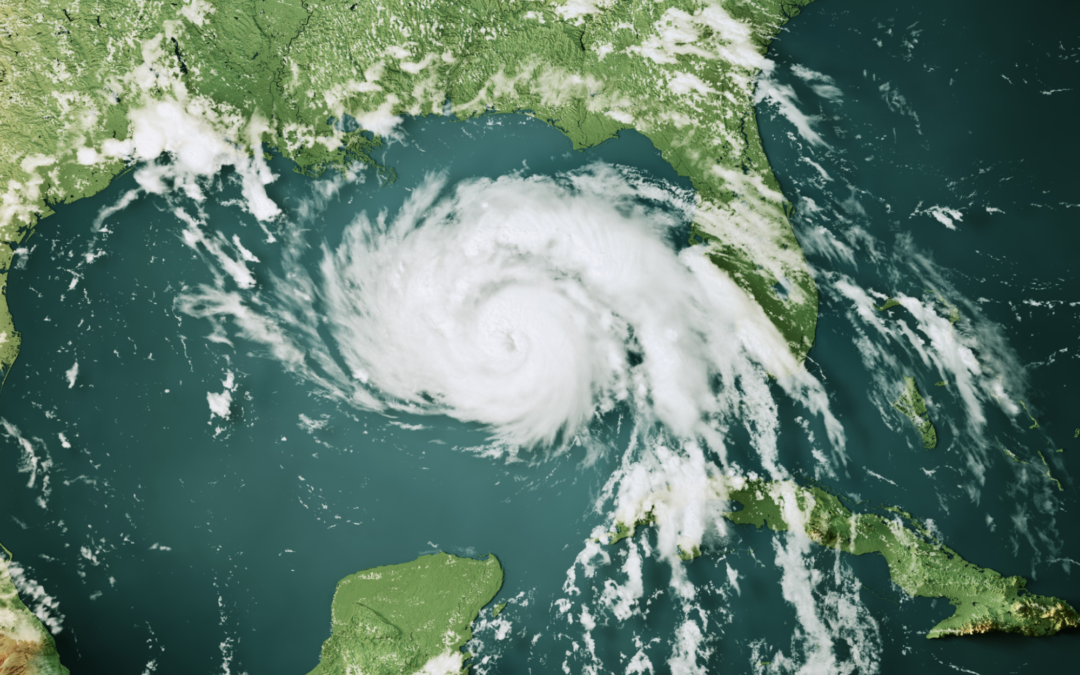
When a hurricane forms in the Gulf, most North Texas homeowners assume it will never reach them. That is mostly right, since direct landfall stays along the coast. Still, the remnants of these storms travel inland, often arriving as heavy rain, flooding, and gusty wind. Add in our regular severe storm season, and smart hurricane paver protection becomes worth understanding for anyone with a significant paver investment.
The good news is that quality pavers handle severe weather better than many surfaces. A little preparation and the right habits keep your outdoor spaces looking great season after season.
Pre-Storm Inspection and Preparation
Getting ahead of severe weather starts with knowing the current condition of your surfaces. A simple walk-through before storm season helps you spot small concerns before wind and water make them bigger.
Look closely at how your surfaces sit and drain. Notice areas where water tends to pool, and check the sand between your pavers.
Pre-season preparation steps worth taking:
- Check joint sand levels and mark any gaps
- Observe how water drains across your surfaces
- Clear debris from drainage channels and low spots
- Secure or store loose outdoor items before storms
Your paver patios and other paver surfaces benefit from this attention. Catching a drainage issue before a storm is far easier than dealing with it during heavy weather.
Emergency Protection Measures
When a severe storm is on the way, a few practical actions help safeguard your outdoor spaces. These measures reduce risk rather than eliminate it, since no preparation makes any surface completely weatherproof.
Start by clearing your outdoor areas. Patio furniture, planters, grills, and decorations can become projectiles in high wind. Features like retaining walls generally stay put, but the loose items around them need attention.
Simple protection steps before a storm:
- Move furniture and loose items to safe storage
- Clear drainage paths so water flows freely
- Remove anything that could scratch or dent surfaces
- Avoid going outside once severe weather begins
That last point matters most. No outdoor surface is worth your safety. Once conditions turn dangerous, stay inside and let the storm pass. Your hurricane paver protection efforts should happen well before the weather arrives, never during it.
Post-Storm Damage Assessment
After the weather clears and conditions are safe, a careful look at your surfaces helps you understand how they fared. This assessment is a core part of hurricane paver protection, and it often brings reassuring news since quality installations come through storms well.
Walk your surfaces slowly and observe. Look for shifted pavers, sand washed out of joints, or spots where water pooled and left debris.
What to check after severe weather:
- Pavers that shifted or settled unevenly
- Joint sand washed away by heavy rain
- Debris deposits from flooding or wind
- Drainage areas that need clearing
Take photos as you go. Documenting the condition of your surfaces creates a helpful record for your own tracking or for conversations with your insurance provider.
Insurance and Documentation
Storm-related concerns sometimes involve your homeowner’s coverage. Every policy differs, and your provider is the right source for specifics, but keeping solid records puts you in a stronger position.
Documentation habits worth building:
- Photograph surfaces before and after storm season
- Keep installation records and receipts organized
- Record the dates of significant weather events
- Save any professional assessment reports
Your insurance provider can explain what your policy covers. This article simply encourages the record-keeping that makes those conversations smoother.
Professional Versus Homeowner Care
After a storm, some surface care falls easily within a homeowner’s abilities, while other situations call for professional attention. Good hurricane paver protection includes recognizing when to call for help.
Simple tasks like sweeping away debris, clearing drainage channels, and rinsing surfaces are within reach for most homeowners.
Situations that benefit from professional attention:
- Pavers that shifted or settled significantly
- Extensive joint sand loss across large areas
- Drainage problems that appeared after flooding
- Any structural concern with retaining features
Professional cleaning and sealing services restore surfaces efficiently while addressing underlying issues.
Preventive Maintenance Scheduling
The best storm protection happens long before any storm appears. Regular maintenance keeps your surfaces in strong condition year-round, so they handle severe weather from a position of strength.
Think of maintenance as a seasonal rhythm rather than a single chore. Spring cleaning refreshes surfaces after winter, and checking surfaces before and after major storms rounds out a sensible routine.
A practical maintenance rhythm includes:
- Regular sweeping to prevent debris buildup
- Periodic joint sand checks and refills as needed
- Drainage clearing before the heavy rain season
- Professional cleaning and sealing on a sensible schedule
Well-maintained surfaces simply weather storms better. Proper sealing helps surfaces shed water, and healthy joints keep pavers stable.

Staying Storm-Ready All Season
Severe weather is part of life in North Texas, whether it arrives as the remnants of a Gulf hurricane or one of our own powerful thunderstorms. Your paver surfaces are built to handle a lot, and thoughtful hurricane paver protection helps them handle even more. Preparation, honest assessment, and steady maintenance keep your outdoor investment looking great for years.
Ready to make sure your surfaces are prepared for storm season? Legacy Custom Pavers and Outdoor Living helps North Texas homeowners protect and maintain their outdoor investments. Contact us to schedule a storm damage assessment and protection consultation.
Frequently Asked Questions
Do North Texas homeowners really need to worry about hurricanes?
North Texas sits far inland, so direct hurricane landfall is not a concern here. What our region does experience is the remnants of Gulf hurricanes and tropical systems, which arrive as heavy rain, flooding, and gusty wind. Combined with our regular severe thunderstorm season, these conditions still affect outdoor surfaces. Preparing your pavers for heavy rain and wind makes sense regardless of the storm’s name.
How well do pavers hold up in severe storms?
Quality pavers handle severe weather remarkably well. Their interlocking design and permeable joints allow water to drain rather than pool, which helps them manage the heavy rain common in North Texas storms. Individual pavers can shift in extreme conditions, but the modular design means surfaces flex rather than crack the way solid surfaces sometimes do. Proper installation and regular maintenance give pavers their best chance.
What should I do with my patio furniture before a storm?
Moving patio furniture and loose outdoor items before a severe storm protects both your property and your surfaces. High winds can turn chairs, planters, and decorations into projectiles that damage surfaces or pose safety risks. Bring smaller items indoors and secure anything too large to move. Clearing your outdoor areas also lets water drain freely.
Should I inspect my pavers after every storm?
A quick look after significant storms is a good habit. Walk your surfaces once conditions are safe and watch for anything different, such as shifted pavers, washed-out joint sand, or debris deposits. Most storms leave quality surfaces in good shape, so these checks are often reassuring. For anything more involved than simple debris clearing, a professional assessment identifies whether further attention is needed.
How often should I schedule professional paver maintenance?
Professional maintenance timing depends on your surfaces, their exposure, and how heavily you use them. Many North Texas homeowners find that professional cleaning and sealing on a sensible periodic schedule keeps surfaces in strong condition. Scheduling attention before storm season starts helps surfaces face heavy weather from a position of strength.