

Running out of seats during pool parties is a familiar problem for North Texas hosts. Dragging chairs around, asking guests to perch on deck edges, scrambling when more people show up than expected. There is a smarter solution built right into your pool area design. Pool seating retaining walls combine practical structure with comfortable seating, giving you permanent spots for guests while solving grade changes around your pool.
These features do double duty. They hold back sloped ground while creating gathering spots that stay put.
Seating Height and Comfort Considerations
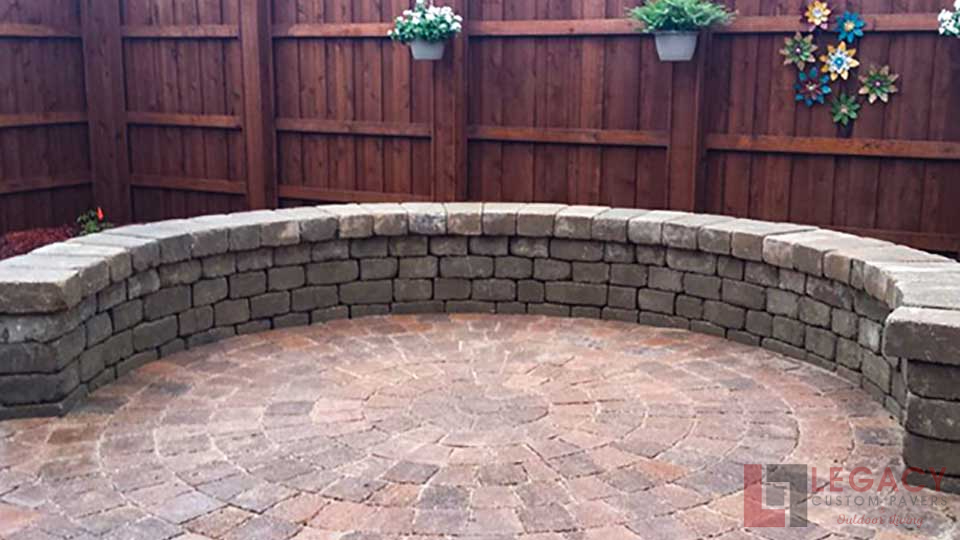
Comfortable seating starts with getting the height right. A wall meant for sitting needs different proportions than one built purely for holding back soil. Too tall and feet dangle awkwardly. Too short, and guests feel like they are sitting on the ground.
The sweet spot for comfortable pool seating retaining walls sits around standard chair height. This lets most adults sit with feet flat and knees bent naturally.
Depth matters just as much as height. A seating surface needs enough room to sit comfortably. Wider tops also create space for setting down drinks, towels, or plates.
Comfort factors worth planning for:
- Seat height matches natural sitting posture
- Surface depth allows relaxed seating
- Smooth cap finishes prevent snags
- Rounded edges add safety and softness
Your retaining walls should feel inviting, encouraging guests to settle in and stay awhile.
Safety Near Pool Areas
Pool areas demand extra attention to safety. Wet surfaces, splashing water, and excited guests create conditions where careful design really pays off.
Slip resistance ranks high on the list. Pool areas stay wet, so seating surfaces need texture that provides grip even when damp.
Placement also affects safety. Seating walls should sit at comfortable distances from the pool edge, giving guests room to move without crowding the water line.
Safety priorities for poolside seating:
- Slip-resistant surfaces maintain grip when wet
- Smart placement away from immediate pool edges
- Stable construction supporting guests securely
- Clear pathways preventing crowded conditions
Proper construction following local building requirements ensures your seating walls stand strong and safe.
Integration with Pool Deck Design
The best pool seating retaining walls look like they belong, not like afterthoughts bolted onto existing spaces. Matching materials and complementary design tie your seating into the overall pool area beautifully.
Coordinating your wall materials with your pool deck creates cohesive, polished spaces. When seating walls share colors and textures with surrounding surfaces, everything feels intentional.
Design integration approaches:
- Materials matching or complementing pool deck surfaces
- Wall shapes echoing pool contours
- Heights coordinating with existing features
- Finishes tying seating into the overall design
Well-integrated seating walls make your pool area look finished and thoughtfully designed.
Drainage Considerations
Water management separates seating walls that last from those that cause headaches. Pool areas already deal with plenty of water, so your seating walls need proper drainage built in from day one.
Retaining walls hold back soil, and that soil holds water. Without proper drainage, water pressure builds behind walls over time. Good design includes systems that relieve this pressure, keeping walls stable for years.
Drainage elements that protect your investment:
- Behind-wall drainage relieves water pressure
- Surface grading directs water away from the seats
- Proper base preparation supporting stability
- Material choices handling moisture exposure
Professional installation builds these systems correctly, protecting your investment.
Cushion and Comfort Options
Hard surfaces work fine for quick sits, but comfortable cushions transform seating walls into spots where guests happily linger. Soft elements make your pool seating and retaining walls even more inviting for extended entertaining.
Weather-resistant outdoor cushions bring comfort without high maintenance. These products handle sun, moisture, and pool splashing. Removable cushions let you store them off-season.
Flat wall caps accommodate cushions easily. Coordinating cushion colors with your pool area design pulls the whole look together.
Comfort additions worth considering:
- Weather-resistant cushions handle poolside conditions
- Removable options for easy storage and cleaning
- Colors coordinating with your pool area palette
- Throw pillows add extra comfort and style
Entertaining Layout Optimization
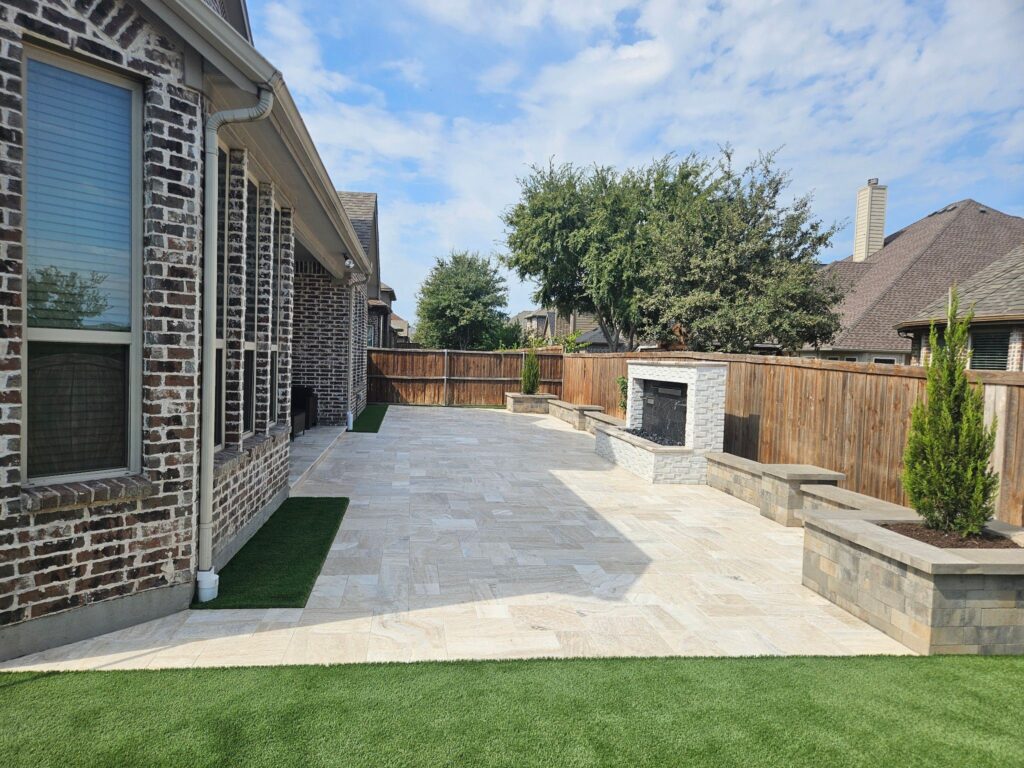
Smart layout makes pool seating and retaining walls work harder during gatherings. Where you place seating and how it wraps your space shape how parties flow.
Think about how guests actually use your pool space. Some want to sit close to the water and watch swimmers. Others prefer shadier spots for conversation. Seating positioned thoughtfully serves both crowds.
Wrapping seating around gathering points encourages conversation. Walls that create partial enclosures make cozy spots where guests cluster. Open arrangements suit larger crowds.
Layout strategies for better entertaining:
- Seating zones serving different guest preferences
- Wraparound designs encouraging conversation
- Connections linking pool areas to other spaces
- Capacity planning matching your typical gatherings
Many pool owners connect their seating walls to a nearby paver patio, which stretches the usable party space past the pool deck itself.
Creating Your Pool Entertainment Hub
Pool parties get better when everyone has a comfortable spot to gather. Pool seating retaining walls solve the perennial seating shortage while adding style and holding back sloped ground.
Proper heights keep guests comfortable. Slip-resistant surfaces and smart placement keep everyone safe. Coordinated materials make your whole pool area shine.
Ready to transform your pool area with built-in seating that wows your guests? Legacy Custom Pavers and Outdoor Living brings creative design to North Texas pool spaces. Contact us to schedule a consultation for your pool area retaining wall seating project.
Frequently Asked Questions
How high should retaining wall seating be?
Comfortable pool seating retaining walls work best at standard chair height, allowing most adults to sit with feet flat and knees bent naturally. This proportion keeps guests comfortable during extended gatherings without legs dangling or straining. Seat depth matters too, with wider tops providing comfortable seating plus space for drinks and plates. Professional design considers your specific needs and guest comfort when determining appropriate dimensions.
Are retaining walls safe to use as seating near pools?
Retaining walls make excellent poolside seating when designed with safety in mind. Slip-resistant surfaces maintain grip even when wet, which matters greatly near pools. Smart placement keeps seating at comfortable distances from the water edge, preventing crowding and accidental slips. Stable construction following local building requirements ensures seating walls support guests securely. Professional installation accounts for these considerations from the start.
Can seating walls match my existing pool deck?
Absolutely. Matching your seating wall materials to the existing pool deck creates a unified look that feels professionally designed. Complementary colors and textures tie everything together beautifully. Wall shapes can echo your pool contours while heights coordinate with surrounding features. Professional consultation helps select materials and designs that complement your current pool space.
Do retaining wall seats need cushions?
Cushions are optional, but transform seating walls into spots where guests happily linger. Weather-resistant outdoor cushions handle sun, moisture, and pool splashing while staying comfortable. Removable options allow easy storage during harsh weather or off-season. Coordinating cushion colors with your pool area design pulls the whole look together. Bare wall caps work fine for quick sits, but cushions add comfort for extended gatherings.
How do seating walls handle drainage around pools?
Proper drainage is built into quality seating wall design from the start. Behind-wall drainage systems relieve water pressure that builds as soil holds moisture, keeping walls stable over time. Surface grading directs water away from seating areas, preventing pooling where guests sit. Professional installation builds these drainage systems correctly, protecting your investment for years.