
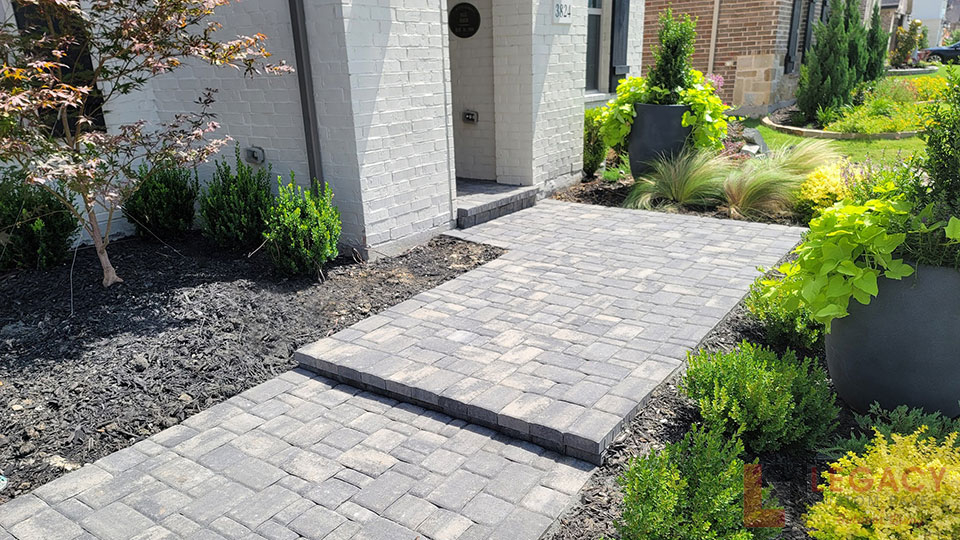
Beautiful gardens deserve pathways that complement and enhance their display. For North Texas homeowners who cultivate stunning landscapes, walkways serve purposes beyond simple transit – they guide guests through carefully curated garden spaces. Thoughtful garden showcase walkways transform paths into deliberate design features that elevate the entire landscape experience.
Spring gardens reach peak beauty around Mother’s Day. Your walkway design determines how visitors experience these carefully tended displays.
Viewing Angle Optimization
Strategic pathway placement creates optimal viewing perspectives for garden features. Where walkways curve, what angles they approach plantings, and where they pause all influence how guests experience your landscape.
Consider your most stunning garden elements. Your walkway positioning should provide clear sightlines to these focal points from multiple angles.
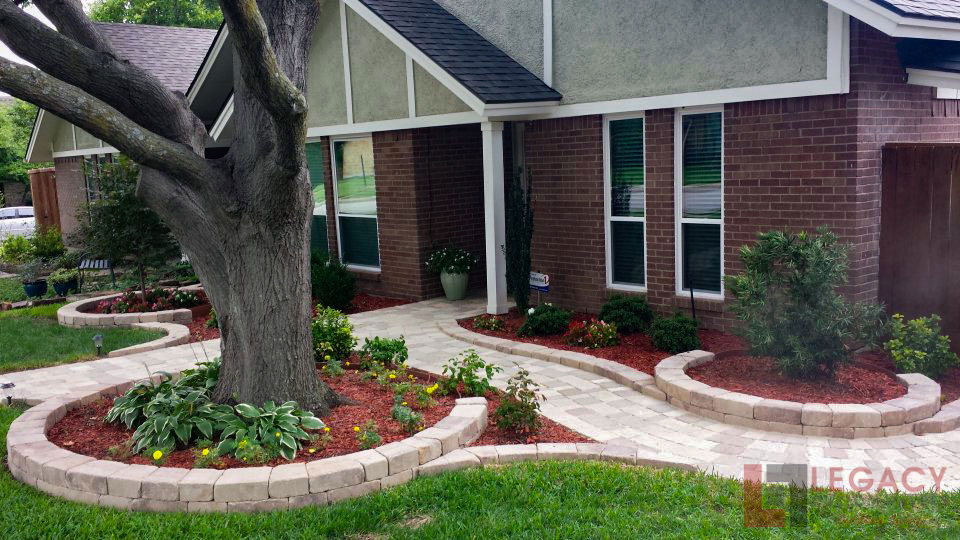
Curved pathways naturally create evolving perspectives. Straight paths offer direct views but limited variety. Gentle curves combine accessibility with visual interest.
Design principles for viewing optimization:
- Curved approaches to major focal points
- Sight line analysis from multiple pathway positions
- Strategic placement revealing garden rooms sequentially
- Angles highlighting dimensional plantings
Professional garden walkway design considers both immediate views and longer sightlines through garden spaces. This layered approach creates depth and interest throughout the walking experience.

Walkway Width for Garden Appreciation
Pathway width significantly impacts how comfortably visitors experience garden displays. Too narrow forces single-file walking. Too wide overwhelms the garden scale.
Standard walkways measuring three feet accommodate single walkers comfortably. For gardens designed for shared viewing, four to five feet allows two people to walk side-by-side while discussing plantings.
Consider varying widths strategically. Main paths connecting key areas benefit from generous width. Secondary paths leading to intimate garden alcoves can narrow, creating discovery and enclosure.
Width considerations for garden walkways:
- Main circulation paths: 4-5 feet for comfortable paired walking
- Secondary discovery paths: 3 feet for individual exploration
- Viewing platforms: 6+ feet where gardens warrant extended observation
- Connector paths: 3-4 feet linking different garden areas
Your walkway proportions should feel balanced within the garden context.
Integration with Planting Design
Exceptional garden showcase walkways integrate seamlessly with surrounding plantings rather than appearing as separate hardscape elements.
Edge treatment determines how successfully walkways blend with gardens. Hard edges create formal separation. Softened edges where low groundcovers or flowering plants spill onto pathway borders establish gentler transitions.
Consider plant heights adjacent to pathways. Low plants maintain open sightlines. Medium-height plantings create definition without blocking views. Taller specimens positioned strategically frame views.
Pathway-garden integration elements:
- Edge planting softens hardscape boundaries
- Strategic plant placement framing pathway views
- Groundcovers bridging paths and planting beds
- Specimen placement creates focal points from paths
North Texas gardens benefit particularly from drought-tolerant plantings along pathway edges.
Lighting for Garden Features
Evening garden appreciation extends landscape enjoyment significantly. Thoughtful outdoor lighting enhances both pathway safety and garden display after sunset.
Pathway lighting serves dual purposes- illuminating safe walking surfaces while highlighting nearby plantings. Low-voltage fixtures positioned along pathway edges provide adequate lighting without overwhelming garden ambiance.
Feature lighting transforms gardens after dark. Uplighting dramatic tree trunks creates sculptural effects. Subtle spotlights on flowering specimens draw attention to garden highlights.
Garden lighting considerations:
- Pathway edge fixtures ensure safe navigation
- Uplighting for specimen trees and shrubs
- Accent lighting on seasonal flowering displays
- Ambient lighting creates an overall garden atmosphere
Expert lighting design creates a balance between visibility and ambiance.
Maintenance That Protects Gardens and Walkways
Well-designed garden walkways require maintenance approaches that protect both hardscape and surrounding plantings.
Regular sweeping prevents organic debris from decomposing on pathway surfaces. Fallen leaves, flower petals, and seed pods naturally accumulate on paths. Prompt removal prevents staining while redirecting organic material to compost beds.
Joint sand between pavers requires periodic attention without disrupting adjacent plants. Careful sand replacement maintains pathway integrity while avoiding root disturbance.
Maintenance practices supporting both elements:
- Regular sweeping and redirecting debris to garden beds
- Careful joint sand restoration, avoiding root zones
- Gentle cleaning methods protect nearby plants
- Seasonal inspections identifying issues early
Professional maintenance services understand garden contexts.
Seasonal Adaptation
North Texas gardens transform dramatically across seasons. Spring bursts with blooming bulbs. Summer showcases heat-tolerant perennials. Fall delivers changing leaf colors. Winter reveals garden structure through deciduous branches and evergreen forms.
Your garden walkways remain constant throughout these transitions, providing a reliable framework as gardens evolve.
Pathway positioning should consider year-round interest. Place paths where they showcase spring bulb displays, summer perennial borders, fall foliage specimens, and winter structural elements.
Seasonal pathway considerations:
- Spring bulb viewing from curved path sections
- Summer seating areas along main walkways
- Fall foliage perspectives from elevated pathway positions
- Winter interest through evergreen framing
Mother’s Day celebrations typically coincide with peak spring displays.
Creating Memorable Garden Experiences
Gardens represent personal expressions of beauty and connection with nature. Pathways honoring these expressions enhance how you and your guests experience carefully cultivated landscapes. Garden showcase walkways frame botanical beauty while providing comfortable access.
Thoughtful pathway design respects garden health while optimizing viewing opportunities. Integration with plantings creates cohesive outdoor environments where hardscape and landscape complement each other beautifully.
Ready to create pathways that perfectly showcase your garden? Legacy Custom Pavers & Outdoor Living understands how walkways can enhance North Texas landscapes. Contact us to schedule a consultation for your garden showcase walkway project.
Frequently Asked Questions
How wide should garden walkways be?
Garden walkway width depends on intended use and landscape scale. Main paths accommodating side-by-side walking should measure 4-5 feet wide, allowing comfortable conversation while viewing gardens. Secondary discovery paths can narrow to 3 feet for individual exploration. Viewing platforms or areas where gardens warrant extended observation benefit from 6 feet or more. Consider varying widths throughout your garden, with generous main circulation paths and narrower secondary routes creating intimate exploration opportunities.
What paver patterns work best for garden walkways?
Paver patterns should complement garden style rather than competing for attention. Running bond patterns provide clean, understated backgrounds for cottage gardens and naturalistic landscapes. Herringbone patterns add visual interest appropriate for formal garden designs. Basket weave patterns work well with traditional garden styles. The key is selecting patterns that support garden displays without overwhelming botanical elements. Professional consultation helps match pathway design to overall landscape character.
How do I integrate walkways with existing gardens?
Successful integration requires careful planning around existing root systems and established plantings. Professional installation protects mature specimens while creating pathways that feel like natural garden elements. Edge treatments using groundcovers or low flowering plants soften transitions between hardscape and planting beds. Strategic pathway curves work around rather than through established garden features. This respectful approach preserves garden health while adding enhanced circulation and viewing opportunities.
Should I light my garden walkways?
Lighting extends garden enjoyment into evening hours while improving pathway safety. Low-voltage fixtures along pathway edges provide adequate illumination for safe navigation without creating harsh glare. Feature lighting on specimen plants, trees, or garden focal points adds drama and beauty after dark. This layered approach supports both functional and aesthetic goals. Professional lighting design ensures proper fixture placement and appropriate light levels, creating enchanting evening garden atmospheres.
How do walkways affect garden maintenance?
Well-designed walkways actually simplify garden maintenance by providing stable access to planting beds without soil compaction concerns. Pathways prevent trampling damage to plants and allow comfortable reaching for pruning, deadheading, and other garden tasks. Strategic pathway placement ensures all garden areas remain accessible for care while protecting plant health. The combination of accessible paths and healthy gardens creates sustainable landscapes requiring less long-term intervention while remaining beautiful year-round.